Part IV · Grow
Harvesting, storing and cooking beans, peas and fava beans (safely)
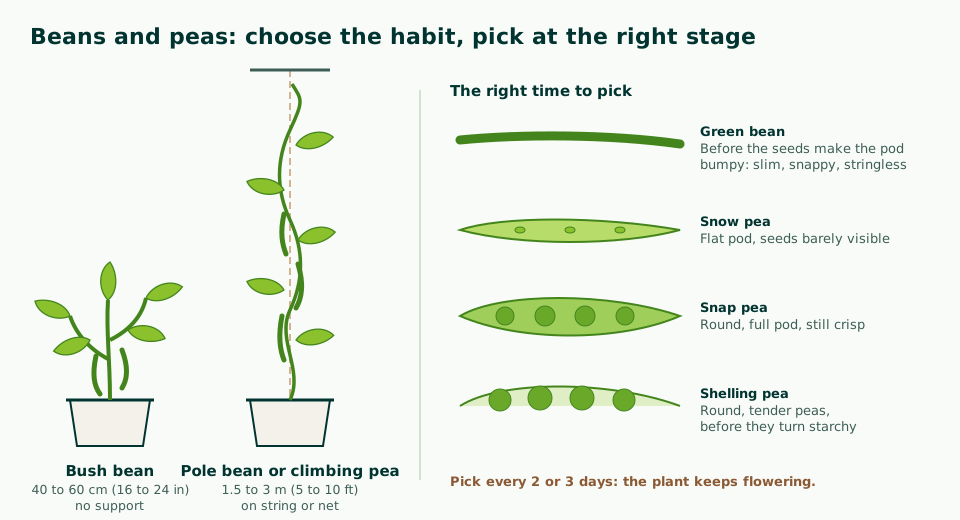
Functional diagram, not to scale.
The right stage for each type of pod, picking that keeps the plant flowering, cool storage, seeds to save for next year, and the essential precautions: dry beans must be cooked thoroughly, fava beans and G6PD deficiency.
With legumes, harvesting drives production: the more you pick, the more the plant flowers. You still have to pick at the right stage, and know a few safety rules specific to this family. The fourth article in the series.
1. The right stage, pod by pod
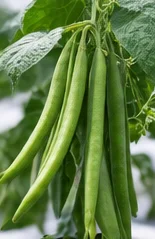
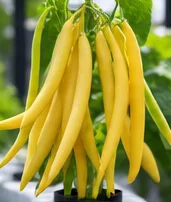
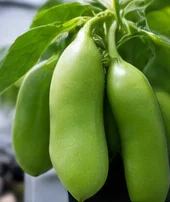
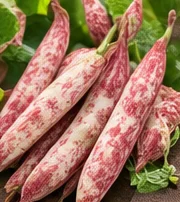
| Type | When to pick | Too late if… |
|---|---|---|
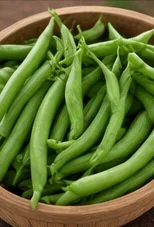
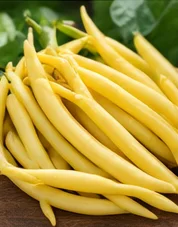
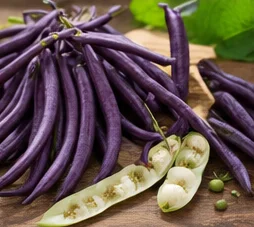
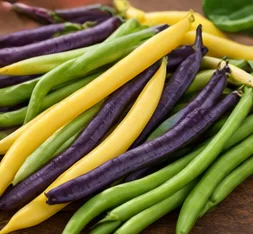
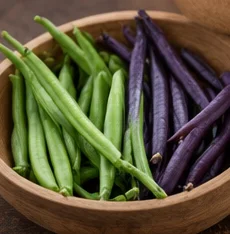
| Green bean, wax bean | Pod at full size, before the seeds make it bumpy | Seeds visible, pod fibrous (University of Minnesota) |
| Snow pea | Pod at full length, seeds barely visible | Pod bumpy and tough |
| Snap pea | Pod almost full, round and crisp | Pod dull, papery |
| Shelling pea | Peas a little bigger than the seed you sowed | Peas hard, starchy |
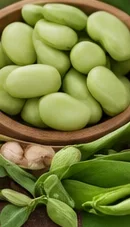
| Fava bean | Pod swollen, beans green and tender | Hilum (the bean’s “scar”) turned black, bean starchy |
| Edamame | Green pods well filled, before yellowing | Yellow pods |
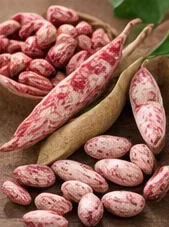
| Dry bean | Pods completely dry, beans hard | Pods moldy from humidity |
- Every 2 to 3 days: a pod left to mature signals the plant to stop flowering.
- Hold the stem with one hand and pick with the other, or cut with scissors: pea and bean stems tear easily.
- Harvest while it is cool, in the morning, and refrigerate quickly.
2. Storing
- Peas: cooled quickly, they keep for a week or more in the refrigerator (University of Minnesota). Their sugars turn into starch as the days go by: eat them soon.
- Green beans: a few days in the refrigerator in a container. To freeze: blanch 2 to 3 minutes in boiling water, cool in ice water, drain, freeze flat.
- Shelled peas and fava beans: blanched and then frozen, they keep their sweetness.
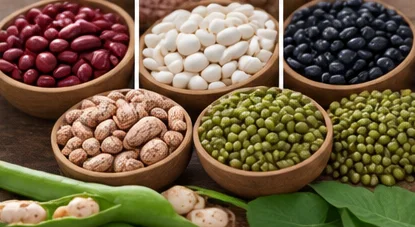
- Dry beans: thoroughly dried, in a jar, in a dry place; a few days in the freezer kills any bean weevils.
3. Essential precautions
4. In the kitchen
| Harvest | Ideas |
|---|---|
| Green beans | Blanched then pan-fried with garlic, in a salade niçoise, with persillade. |
| Snow peas, snap peas | Raw as an appetizer (snap peas), stir-fried in a wok for 2 minutes, in salads. |
| Shelling peas | French-style, in a creamy soup, in risotto, smashed with mint. |
| Fava beans | Double-peeled (without their skins) with olive oil and pecorino, as a purée. |
| Edamame | Pods boiled 5 minutes, flaky sea salt. |
| Pea shoots | Raw in salads, on toast, sautéed for a minute. |
5. Saving your seeds
Beans and peas are the easiest vegetables to start seed saving with: their flowers usually pollinate themselves, and their seeds stay true to the variety, as long as you start from an open-pollinated variety and not an F1 hybrid. Let a few pods dry completely on the plant, shell them, dry them for another one to two weeks, then put them in a labeled envelope. Everything is explained in our seed guide, and your surplus will find takers at the seed swap.
The last part of the series: pea shoots, tips and mistakes to avoid.
Frequently asked questions
When should you harvest green beans?
When the pod has reached full size but before the seeds make it bumpy. At that stage it is tender, juicy and snaps cleanly. Later on, it turns fibrous. Pick every two or three days to keep the plant flowering.
Can you eat raw beans?
Avoid it. Dry beans, especially red kidney beans, contain a lectin (phytohemagglutinin) that causes nausea, vomiting and diarrhea. It is destroyed by a full boil: boil for at least 10 minutes before any slow cooking. Green beans are eaten cooked, blanched or pan-fried.
Are fava beans dangerous?
For most people, no. But in people with G6PD deficiency, an enzyme disorder that is common in some populations, fava beans can cause a sudden destruction of red blood cells (favism), even when cooked. These people must avoid them.
- University of Minnesota Extension, Growing beans in home gardens
- University of Minnesota Extension, Growing peas in home gardens
- Utah State University Extension, Killer Kidney Beans
- Singapore Food Agency, The arch enemy of G6PD-deficient individuals: fava beans
- Washington State University Extension, A Step-by-Step Guide to Saving Seeds