Part VI · Monitor and beyond
Hydroponics and organic: organic fertilizers and what the EU regulation says
Can a hydroponic lettuce be certified organic? In Europe, no: Regulation 2018/848 ties organic to living soil, with a few exceptions such as Belgian endive. But you can grow with organic fertilizers at home, as long as you understand why it is difficult and how microbes make it possible.
“Is it organic?” The question comes up as soon as you show off your first hydroponic lettuce. The answer is clear in Europe: no, not in the sense of the label. But it hides a real gardener’s question: can you grow without soil using organic fertilizers, and how? Here is what the EU regulation says, what happens elsewhere, why organic fertilizers are difficult in hydroponics, and the method developed in Japan to make it work.
For standard nutrients, see nutrients in hydroponics; for environmental impact, is hydroponics eco-friendly?
1. The EU regulation: organic means living soil
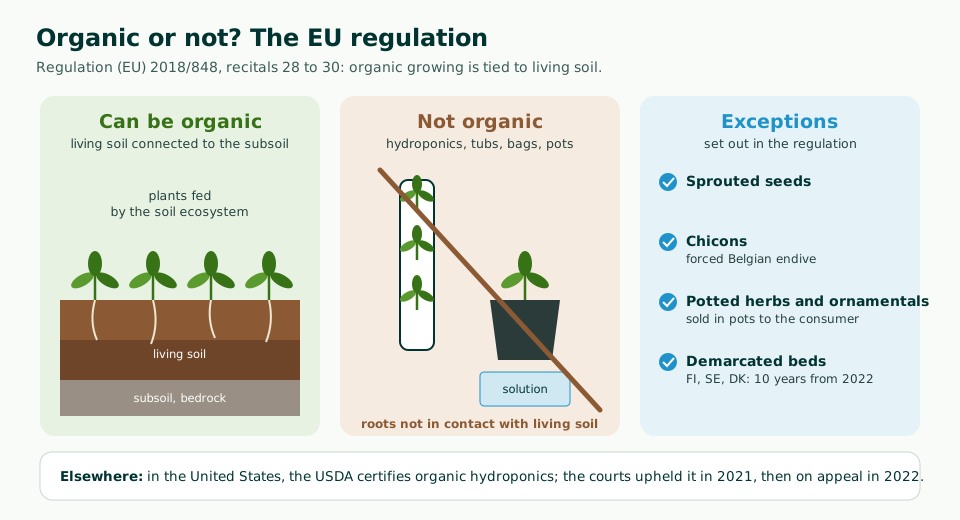
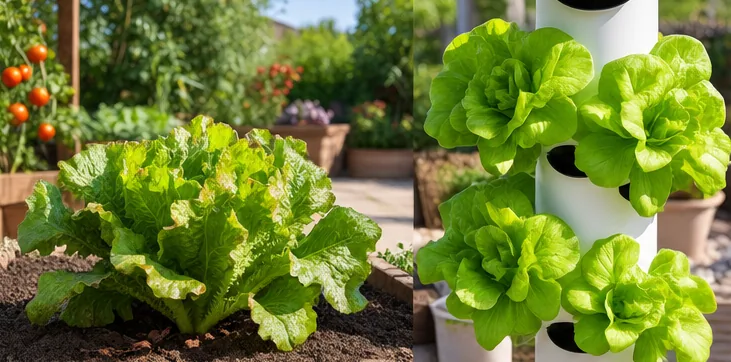
Regulation (EU) 2018/848, in force since 2022, is clear. Its recital 28 explains that organic plant production relies on feeding plants through the soil ecosystem: they must grow in living soil connected to the subsoil and the bedrock. It concludes that hydroponics should not be allowed, nor growing in containers, bags or beds where the roots do not touch living soil. Article 3 defines “soil-related” cultivation along the same lines.
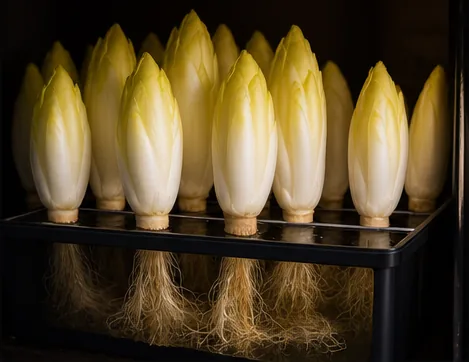
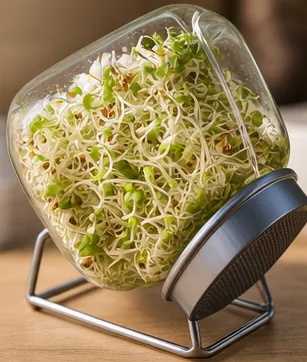
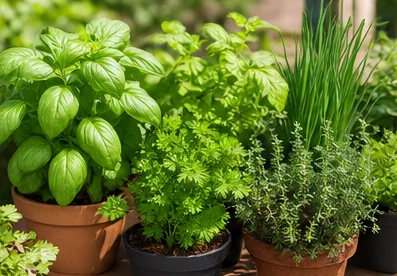
- The exceptions (recital 29): sprouted seeds, chicons (Belgian endive), and herbs or ornamental plants sold in pots to the consumer, because the soil rule is not suited to them or the consumer cannot be misled.
- The Nordic derogation (recital 30): demarcated beds already certified in Finland, Sweden and Denmark can continue for ten years from the date the regulation applies.
- For you: the label is about selling. At home, nothing stops you from growing with organic inputs, but a hydroponic harvest cannot be sold as organic in Belgium.
2. What about elsewhere?
In the United States, the USDA organic program certifies hydroponics. Organic advocacy groups challenged this in court; the U.S. District Court for the Northern District of California ruled for the USDA in March 2021, finding that U.S. law does not require growing in soil, and the Ninth Circuit Court of Appeals upheld that ruling in September 2022. The same lettuce can therefore be “organic” across the Atlantic and not organic here in Europe: the label first tells you something about the method, not about the quality of the lettuce.
3. Why organic fertilizers are difficult without soil
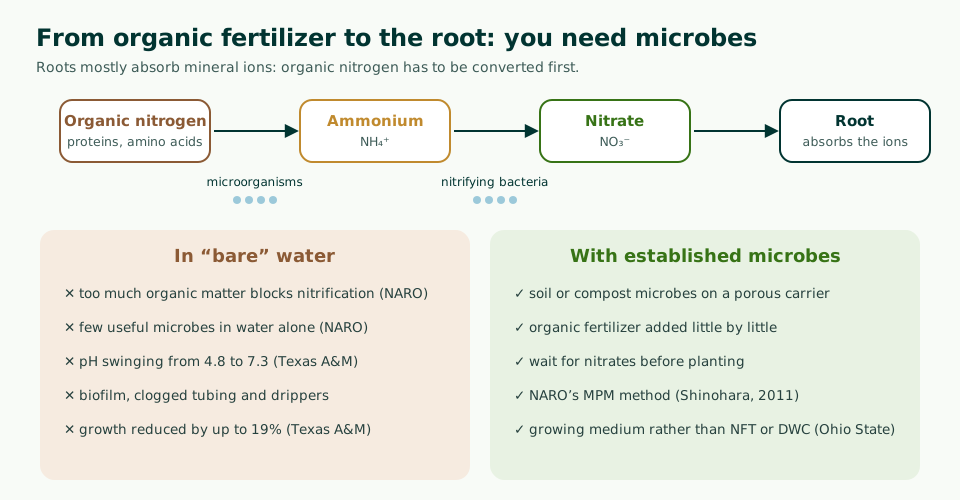
In soil, microorganisms turn the nitrogen in organic matter into ammonium, then into nitrate, the form roots absorb best. In a hydroponic system, this chain is missing:
- Few useful microbes: nitrification works poorly in water or in inert growing media, which are poor in microorganisms, and high concentrations of organic matter block it (NARO, 2022).
- An unstable solution: in an NFT trial at Texas A&M, the pH of an organic solution went from 6.0 to 7.3 in one run and dropped to 4.8 in the other, far from the target range; the EC also varied widely.
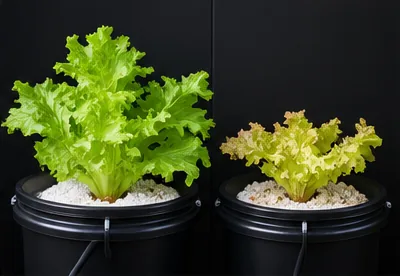
- Less growth: in the second run of that trial, lettuce produced 19% less dry matter than with a mineral fertilizer; a microbial inoculant narrowed the gap.
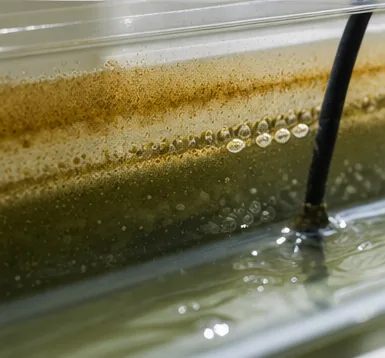
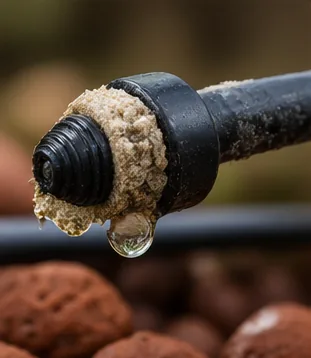
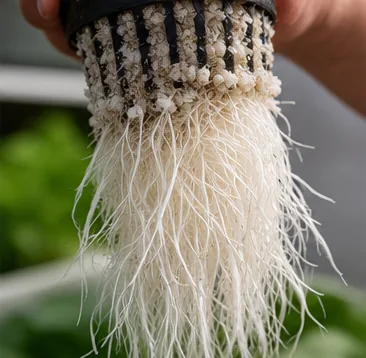
- Biofilm and clogging: biofilm in the fertilizer tanks and the plugs, clogged tubing and drippers (Texas A&M; Ohio State, 2024).
4. The method that works: establish the microbes first
In Japan, Makoto Shinohara’s team at NARO developed multiple parallel mineralization (MPM, 2011). The principle: recreate in the water or the growing medium what soil does.
- Inoculate: add a little soil or mature compost, a source of microorganisms, which attach to a porous carrier.
- Feed gradually: add the organic fertilizer in small, regular doses, never all at once.
- Wait for nitrates: the microbes turn organic nitrogen into ammonium and then nitrate; you plant once nitrates appear.
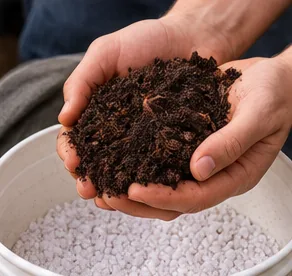
In 2022, the same team showed that inoculated rockwool converted organic nitrogen into nitrate, working best with fertilizers that have a low carbon-to-nitrogen ratio, at 25 to 42 °C (77 to 108 °F) and with enough moisture. Komatsuna, lettuce, radish and turnip grew in it as they would in natural soil, while the non-inoculated growing media did not support growth (Meeboon et al., 2022).
5. Which system for organic?
Rather yes
- Systems with a growing medium: with a liquid organic fertilizer, Dutch buckets and pots produced lettuces 29 to 60% larger than NFT (Ohio State, 2024). See drip and Dutch buckets.
- Aquaponics, where fish food, converted by bacteria, is the fertilizer. See aquaponics.
Rather no
- NFT and DWC, where microbes have little to attach to and biofilm is a risk (Ohio State, 2024).
- Fine drippers and small tubing, prone to clogging.
- The Kratky jar, with no circulation and no oxygen for the microbes.
6. How-to: an organic trial in a bucket
Time: two to four weeks of preparation. Level: intermediate, for experimenting.
- A bucket of growing medium: perlite or clay pebbles, like a Dutch bucket, with a small reservoir and a pump or an air pump and air stone.
- Inoculate with a handful of mature compost or garden soil in the growing medium (the principle of the MPM method).
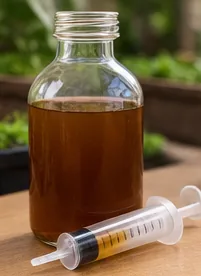
- Add the liquid organic fertilizer in small, regular doses, following the label, without planting.
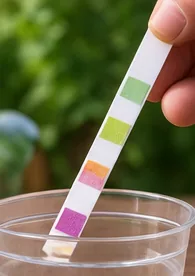
- Measure pH and EC every two or three days (see pH and EC); with an aquarium nitrate test, watch for them to appear.
- Plant a lettuce or some herbs once the nitrates are there.
- Compare with a control bucket on mineral fertilizer, and write everything down in the grow log.
7. Common mistakes
| Mistake | Consequence | The fix |
|---|---|---|
| Selling or presenting your hydroponic harvest as organic | Claim prohibited in Europe | Say soilless growing, with organic inputs if that is the case |
| Pouring organic fertilizer into a brand-new system | No nitrates, stagnant water | Establish the microbes first |
| Adding everything at once | Blocked nitrification, smells | Small, regular doses |
| Using NFT or fine drippers | Biofilm, clogging | Growing medium, wide tubing |
| Not measuring pH | Possible drift from 4.8 to 7.3 | Measure every two or three days |
| Lack of oxygen | Rotten-egg smell, brown roots | Aeration, fresh solution |
| Comparing without a control | No way to know what works | A control bucket on mineral fertilizer |
8. Key takeaways
Have you tried organic in hydroponics? Share your measurements on the forum, control bucket included.
Frequently asked questions
Can a hydroponic crop be certified organic in Belgium?
No. EU Regulation 2018/848, which applies in Belgium, reserves organic status for plants grown in living soil connected to the subsoil and explicitly excludes hydroponics and growing in tubs, bags or pots whose roots do not touch the soil (recital 28). Only a few crops are exceptions, such as sprouted seeds, chicons (Belgian endive) and herbs sold in pots.
Can chicons forced in water be organic?
Yes: the EU regulation lists chicon (Belgian endive) production among the crops not grown in soil that remain allowed in organic farming (recital 29), along with sprouted seeds and herbs or ornamental plants sold in pots to the consumer.
Can you use an organic fertilizer in hydroponics?
Yes, but it is not simple. Plants take up nitrogen mostly in mineral form; you need microbes to convert organic nitrogen, and they do not establish well in water alone (NARO). In a Texas A&M University trial, the pH of an organic solution ranged from 4.8 to 7.3 and lettuce growth dropped by up to 19%. Systems with a growing medium give better results than NFT or DWC (Ohio State, 2024).
What is the MPM method?
Multiple parallel mineralization, developed by Makoto Shinohara and his team at NARO in Japan: you first establish soil or compost microorganisms on a porous carrier, then add the organic fertilizer little by little; the microbes turn it into ammonium and then nitrate, as in soil, before the plant takes it up.
Is aquaponics organic?
Not for vegetables in the European Union: the roots do not grow in living soil, so the rule in recital 28 applies just as it does to hydroponics. But aquaponics feeds plants with an organic fertilizer, fish food, converted by bacteria: it is a good example of organic nutrition without soil.
- Regulation (EU) 2018/848 of the European Parliament and of the Council on organic production, recitals 28 to 30 and Article 3
- M. Shinohara et al., NARO, Soil Science and Plant Nutrition, 2011
- J. Meeboon et al., NARO, Scientific Reports, 2022
- T. Hooks, J. Masabni, L. Sun and G. Niu, Texas A&M AgriLife Research, Technology in Horticulture, 2022
- M. Chowdhury, U. C. Samarakoon and J. E. Altland, Ohio State University ATI and USDA-ARS, Frontiers in Plant Science, 2024
- Center for Food Safety v. USDA, U.S. District Court for the Northern District of California, 2021, and Court of Appeals for the Ninth Circuit, 2022