Part IV · Grow
Using and storing your herbs: fresh, dried, frozen
Functional diagram, not to scale.
Keeping basil out of the fridge and parsley in it, drying thyme, freezing chives in ice cubes, making herb oil safely, and pairing each herb in the kitchen: the guide to making the most of your whole harvest.
An herb tower often produces more than you use day to day. Good news: each herb has its own way of being kept fresh for one to three weeks, dried for months or frozen. And in the kitchen, each one has its best matches.
1. Harvesting at the right time
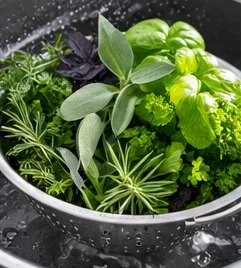
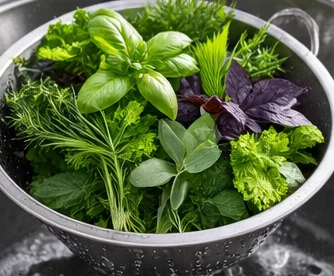
Storage starts at harvest. The University of Minnesota recommends picking in the morning, just after the dew has dried, before the heat, and when flower buds appear, when flavor is at its peak. Only rinse right before using, or dry the leaves well after rinsing.
2. Keeping herbs fresh
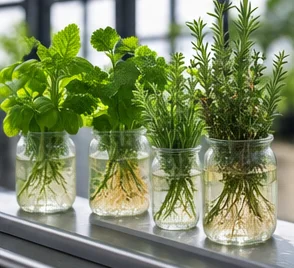
| Herbs | Where | How long |
|---|---|---|
| Basil | Out of the fridge, above 10 °C (50 °F), stems in a glass of water | A few days; 1 to 2 weeks at best under commercial conditions |
| Parsley, cilantro, dill, mint | In the refrigerator, in a box with a damp paper towel, or as a bouquet in a glass of water covered with a bag | 1 to 2 weeks |
| Thyme, rosemary, sage | In the refrigerator, in a slightly damp paper towel | 2 to 3 weeks |
| Chives | In the refrigerator, in a box | About 1 week |
Benchmarks from the University of California, Davis: most herbs keep about 3 weeks at 0 °C (32 °F) and 2 weeks at 5 °C (41 °F), with humidity above 95%; basil and shiso above 10 °C (50 °F). In a home fridge, expect less.
- Away from ripe fruit: mint, parsley, oregano and marjoram are sensitive to the ethylene given off by ripe apples, bananas or tomatoes; they turn yellow and drop their leaves (UC Davis). Basil, rosemary, sage and thyme are not very sensitive to it.
- Aroma fades before looks: cilantro clearly loses its fragrance after ten days or so, even if it still looks good. The best approach is still to harvest as you go.
3. Drying
| Method | How | How long |
|---|---|---|
| Air-drying | Small bunches hung upside down in a dry, ventilated room, out of the light | 1 to 2 weeks |
| Dehydrator | 35 to 46 °C (95 to 115 °F) | 1 to 4 hours |
| Oven | 43 to 54 °C (110 to 130 °F), door ajar | 3 to 4 hours |
| Microwave | Leaves between two paper towels, 1,000 W appliance maximum | 2 to 3 minutes, in short bursts |
Benchmarks from the University of Minnesota.
- The test: a fully dry leaf crumbles between your fingers.
- Store whole: keep the leaves whole in an airtight jar away from light, and crumble them when you cook.
- How long: about 3 months in the cupboard, up to a year in the refrigerator or freezer (University of Minnesota).
- Dosing: a dried herb is 3 to 4 times stronger than a fresh one; use 3 to 4 times less (Ohio State).
- The best ones to dry: thyme, oregano, rosemary, sage, mint, savory. Basil, parsley, chives and cilantro lose a lot: freeze them.
4. Freezing
- Flat: spread the leaves on a tray, freeze for about two hours, then bag them: they don’t stick together (Ohio State).
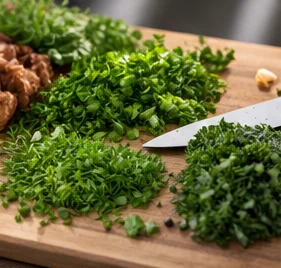
- As ice cubes: chop, divide into an ice cube tray with a little water or olive oil, freeze, then pop them out into a bag. Ideal for basil, parsley, chives, cilantro.
- Using them: straight into cooked dishes, in the same quantity as fresh herbs (University of Minnesota); within 3 to 6 months for the best flavor (Ohio State).
- Pesto: it freezes very well, preferably without the cheese, added when serving.
5. Oils, butters and vinegars
- Herb butter: chopped herbs in softened butter, rolled into a log and frozen in slices.
- Flavored vinegar: tarragon, thyme or basil in wine vinegar; strain after a few weeks.
- Herb salt: chopped herbs mixed with coarse salt, dried together.
6. Herbs in the kitchen
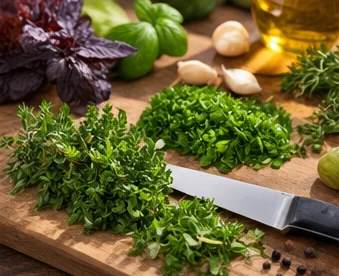
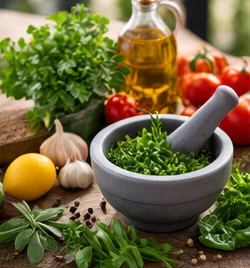
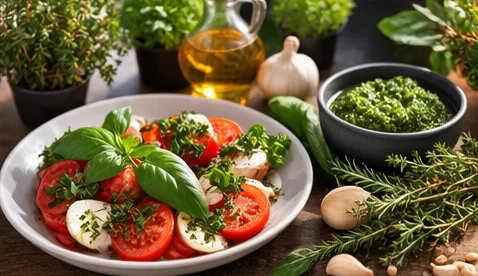
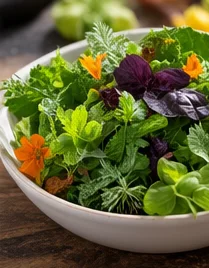
| Herb | Pairings | When to add it |
|---|---|---|
| Basil | Tomato, mozzarella, pasta, pesto; Thai basil in curries | At the end of cooking or raw |
| Flat-leaf parsley | Tabbouleh, persillade (parsley and garlic), green sauces, fish | Raw or at the end of cooking |
| Cilantro | Asian, Mexican, Indian cooking; guacamole | Raw, at the last minute |
| Chives | Eggs, fresh cheese, potatoes, salads | Raw, snipped with scissors |
| Mint | Tabbouleh, tea, desserts, lamb, berries | Raw or steeped |
| Dill | Salmon, cucumber, yogurt, potatoes | Raw |
| Thyme, rosemary | Roasts, grilled meats, roasted vegetables, bread | From the start of cooking |
| Oregano | Pizza, tomato sauces, grilled meats | During cooking; dried, it is even better |
| Sage | Brown butter, stuffed pasta, pork, poultry | During cooking, sparingly |
| Tarragon | Béarnaise sauce, poultry, eggs, vinegar | At the end of cooking |
The last part of this series: 30 tips for exceptional herbs.
Frequently asked questions
How do you keep fresh basil?
Out of the refrigerator: basil is sensitive to cold and must stay above 10 °C (50 °F), or its leaves turn black and lose their aroma (UC Davis). Put the stems in a glass of water, like a bouquet, at room temperature and out of the sun, or simply leave it on the plant until the last minute.
Can you store herbs in oil?
Yes, but with care: a homemade mix of herbs in oil creates an oxygen-free environment that favors the botulism bacterium. Oregon State says to keep it in the refrigerator and use it within 4 days, or to freeze it. Never leave it at room temperature.
Which herbs dry well?
Herbs with firm leaves rich in essential oils: thyme, oregano, rosemary, sage, savory, mint. Tender herbs like basil, parsley, chives or cilantro lose a lot when dried: freeze them instead.
- UC Davis Postharvest Research and Extension Center, Herbs (Fresh Culinary)
- University of Minnesota Extension, Preserving herbs by freezing or drying
- Ohio State University Extension, Preserving Herbs: Freezing and Drying (HYG-5360)
- Oregon State University Extension, Herbs and vegetables in oil (SP 50-701)