Part I · Understand
Herbs in hydroponics: which ones to choose, and for which system
Functional diagram, not to scale.
Basil, parsley, cilantro, chives, mint, thyme, oregano, sage, rosemary, dill: plant families, lifespan, needs and the ideal system for each herb, plus our combinations for an herb garden that produces all year round.
If you could grow only one thing in hydroponics, it should be herbs. They are small, fast, expensive to buy and can be harvested for months. One well-grown basil plant replaces dozens of store-bought clamshells. You still have to pick the right ones and put them in the right system. This is the first article in our herb series.
Three families, three temperaments
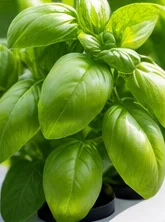
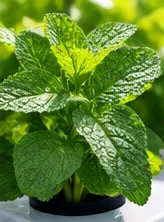
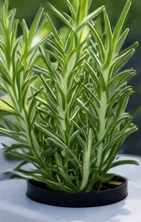
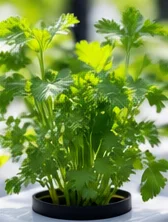
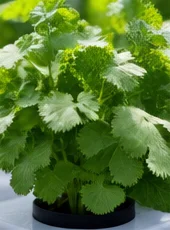
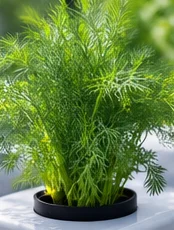
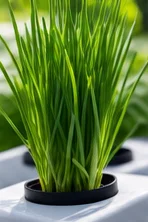
| Family | Herbs | Temperament |
|---|---|---|
| Lamiaceae (mint family) | Basil, mint, lemon balm, thyme, oregano, marjoram, sage, rosemary | Square stems, opposite leaves, rich in essential oils. Many root from cuttings very easily. |
| Apiaceae (umbellifers) | Parsley, cilantro, dill, chervil, fennel | Taproot, flowers in umbels, quick to bolt in the heat. Grown from seed, not from cuttings. |
| Alliaceae | Chives, bunching onion, wild garlic | Hollow leaves that grow back after cutting; clumps that can be divided. |
Annual, biennial or perennial?
This is the question that decides how you organize things: do you need to resow regularly, or keep the same plant for years?
- Annuals: basil, cilantro, dill, chervil. They flower, set seed and wear out within the year: plan succession sowings every 3 to 6 weeks.
- Biennial: parsley. It produces leaves in its first year and goes to seed in its second. Replace it every year.
- Perennials: chives, mint, lemon balm, thyme, oregano, sage, rosemary, tarragon. A well-tended plant produces for several years; you rejuvenate it with cuttings or division.
The hydroponic herb chart
| Herb | Life cycle | Propagation | Recommended system | Difficulty |
|---|---|---|---|---|
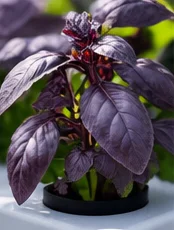
| Basil | Annual | Seed, cuttings | All: Kratky, tower, NFT, DWC | Easy |
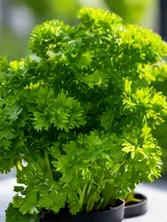
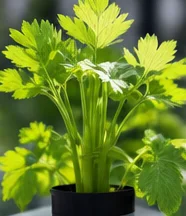
| Parsley | Biennial | Seed (slow to germinate) | Tower, NFT, DWC | Medium |
| Cilantro | Short-lived annual | Seed | Tower, NFT, Kratky | Medium: bolts quickly |
| Dill | Annual | Seed | Tower, deep reservoir | Medium: tall and fragile |
| Chives | Perennial | Seed, division | Tower, NFT, Kratky | Easy |
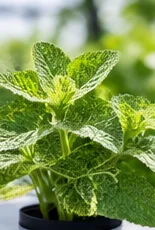
| Mint | Perennial | Cuttings, divisions | Dedicated reservoir or circuit | Easy but invasive |
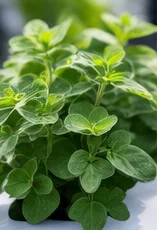
| Oregano, marjoram | Perennial | Seed, cuttings | Tower, free-draining medium | Easy |
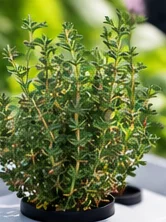
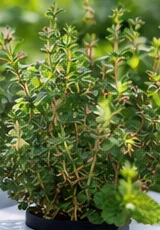
| Thyme | Woody perennial | Cuttings, seed | Free-draining medium, lightly watered tower | Medium: dislikes excess water |
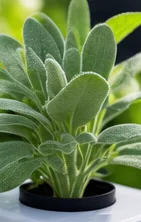
| Sage | Woody perennial | Cuttings, seed | Free-draining medium | Medium |
| Rosemary | Woody perennial | Cuttings | Free-draining medium, Dutch bucket | Hard: slow, sensitive roots |
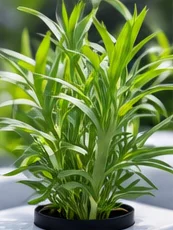
| French tarragon | Perennial | Cuttings, division (no viable seed) | Free-draining medium | Medium |
| Lemon balm | Perennial | Seed, cuttings | Tower, reservoir | Easy |
Ratings based on the production practices described by Iowa State (Herbs 101) and Purdue, adapted to hobby systems.
Which system for which herbs?
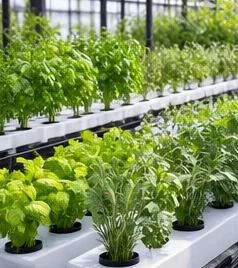
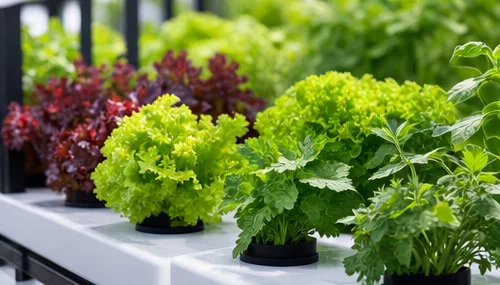
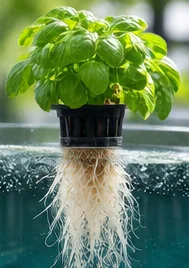
- Kratky jar: basil, chives, cilantro, mint, parsley. Ideal for getting started on a windowsill. See the Kratky jar method.
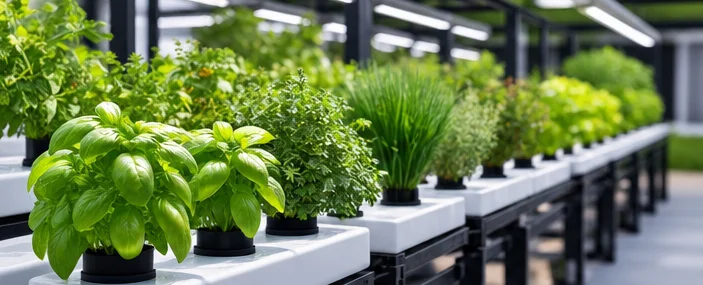
- Vertical tower: the top system for tender herbs. Basil, parsley, cilantro, chives, oregano and strawberries grow very well together.
- NFT: basil and parsley in rows, for big, steady harvests.
- Free-draining medium or Dutch bucket: thyme, sage, rosemary, tarragon, which like their roots to dry out a little between waterings.
Choosing a system is covered in detail in Tower, NFT, Kratky, DWC, growing medium: which system to choose?
Our ready-to-plant combinations
| Project | Herbs | Why |
|---|---|---|
| The beginner’s trio | Basil, flat-leaf parsley, chives | Easy, useful every day, one annual, one biennial, one perennial. |
| Italian cooking | Genovese basil, lemon basil, oregano, flat-leaf parsley | Pesto, tomato sauces, pizzas. |
| Asian cooking | Thai basil, cilantro, mint, garlic chives | Curries, broths, fresh salads. Mint in its own reservoir. |
| Herbal teas | Mint, lemon balm, lemon thyme, sage | Fresh infusions all year round. |
| The Mediterranean corner | Thyme, rosemary, sage, oregano | Grilled meats and roasts; in a free-draining medium, in full sun. |
Next in the series: sowing and taking cuttings, optimizing the solution and the light, pruning and harvesting, using and preserving, and our 30 tips.
Frequently asked questions
What is the easiest herb to grow hydroponically?
Basil: it germinates fast, grows fast, can be harvested continuously and handles every technique, from the Kratky jar to the vertical tower. Chives, a very tolerant perennial, come a close second.
Can you grow all herbs in the same system?
Most tender herbs, yes, with a compromise solution. But mint invades the pipes with its roots, and woody Mediterranean herbs (thyme, rosemary, sage) do not like having their roots wet all the time: a dedicated reservoir or a free-draining growing medium is better.
Which herbs live for several years?
Chives, mint, thyme, oregano, sage and rosemary are perennials. Parsley is a biennial: it goes to seed in its second year. Basil, cilantro and dill are annuals and are resown regularly.
- Iowa State University (C. Currey), Herbs 101: a production guide, Greenhouse Management
- Oklahoma State University Extension, Electrical Conductivity and pH Guide for Hydroponics (HLA-6722)
- Purdue University, Propagate Herbs Now for Yearlong Enjoyment
- UC Davis Postharvest Research and Extension Center, Herbs (Fresh Culinary)